


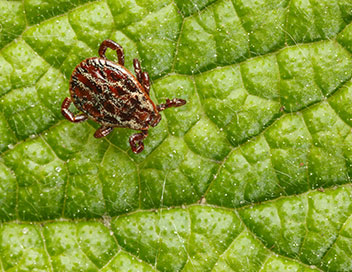
25 Aug Beware – Fall Tick Season is in Full Swing
Beware of Ticks this Fall – Tick Season is in full swing and we’re sharing our tick prevention tips
While people often associate ticks with summer, most people don’t realize that tick season is almost every season. Even though fall has arrived, you still need to be on the lookout for these potentially dangerous pests. Learn more about tick prevention tips.
The fall season is significant in the tick life cycle as it is the time when adult ticks are active and seeking hosts to feed on before the onset of winter.
Additionally, ticks can be more prevalent in the fall due to the activity of wildlife and the cooler, moist conditions that favor their survival.
The Tick Lifecycle & Fall
The “tick fall cycle” typically refers to the life cycle of ticks, which includes several stages:
- Egg: Ticks start their life cycle as eggs. Female ticks lay thousands of eggs in the environment, usually in leaf litter or grass.
- Larva: When the eggs hatch, they become larvae, often called “seed ticks.” Larvae have six legs and are very small. They seek out a host to feed on blood, which is necessary for them to molt to the next stage.
- Nymph: After feeding, the larvae molt into nymphs, which have eight legs and are slightly larger than larvae. Nymphs also require a blood meal to molt into adults.
- Adult: The final stage is the adult tick. Adult ticks have eight legs and are larger than nymphs. They seek out larger hosts, such as deer, dogs, or humans, to feed and reproduce. Female ticks need a blood meal to lay eggs and continue the cycle.

Source: CDC
Tick Activity During the Fall
In the fall, both adult ticks and their primary hosts experience increased activity, creating a peak period for tick interactions and feeding.
Adult Tick Activity: Many tick species, particularly the black-legged tick (also known as the deer tick), are more active during the fall. Adult ticks are seeking hosts to feed on before the winter. After a blood meal, female ticks lay eggs, ensuring the continuation of the species.
Host Activity: During the fall, many of the tick’s primary hosts, such as deer, are more active. For example, deer are often in the rut (mating season) during the fall, leading to increased movement and activity, which in turn increases the likelihood of ticks finding a host.
Fall Conditions & Ticks
The fall season creates optimal conditions for tick activity due to a combination of favorable temperature, humidity, and changes in vegetation. It’s important to take key tick prevention, especially in the fall.
Temperature and Humidity: Ticks thrive in cooler, moist conditions, which are often more prevalent in the fall. The moderate temperatures and higher humidity levels of fall are ideal for tick survival and activity.
Vegetation: As leaves fall and create leaf litter, the environment becomes more favorable for ticks. Leaf litter provides a humid microenvironment that helps ticks maintain the moisture they need to survive.
Can I get Lyme disease in the fall?
The short answer is yes. You can get Lyme disease year round. The western blacklegged tick is very active during the fall. If a tick does attach to you, they must be attached for at least 36 hour before the Lyme disease bacterium can be transmitted. If you are outdoors in tick-prone areas, always make sure to check your body and clothing for any ticks before you come back inside.
Common Symptoms: A bullseye rash, fever, and body aches are all common symptoms of Lyme disease. If you notice any of these symptoms, contact your doctor immediately. Most people who contract Lyme disease recover quickly and completely with a course of antibiotics. However, if left untreated, some experience other symptoms such as loss of muscle tone in the face (Bell’s palsy), shooting pains, swelling of joints, and arthritis.
Tick Prevention Measures
To reduce the risk of tick bites and tick-borne diseases in the fall:
Wear Protective Clothing: Long sleeves, pants, and socks can help keep ticks off your skin.
Use Tick Repellent: Apply insect repellents containing DEET, permethrin, or other tick-repelling ingredients.
Perform Tick Checks: After spending time outdoors, thoroughly check your body and clothing for ticks. Promptly remove any ticks you find.
Maintain Yard Hygiene: Keep your yard tidy by removing leaf litter, tall grasses, and brush where ticks can thrive.

For more information to avoid Lyme Disease, access the NY Department of Health guide here.
Understanding these factors can help people take appropriate measures to protect themselves and their pets from tick bites during the fall season.
Learn more about our tick spray here.
Sorry, the comment form is closed at this time.